

Proposed rent at Wadham College for the 2026/27 academic year will see the cost of second-year accommodation for Wadham students rise by 10.63% from 2025/26, to a total of £9470 for a nine-month contract. Negotiations between Wadham College Student Union (Wadham SU) and the College, which began in Michaelmas Term, have so far failed to reach an agreement on a rent deal for the next academic year.
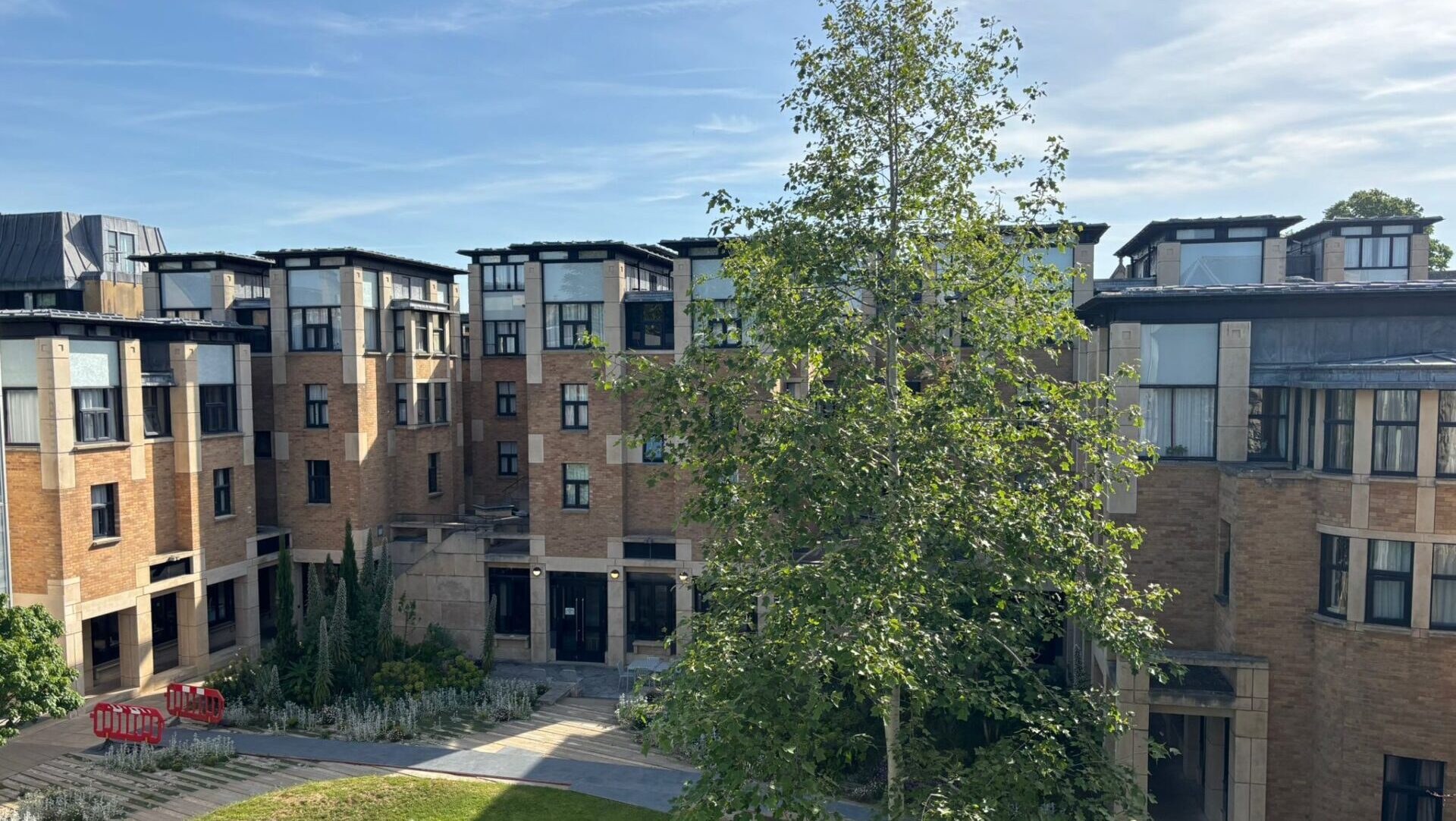
In addition to its main site, Wadham offers offsite accommodation at the Dorothy Wadham Building (DWB) on Iffley Road, primarily for second-year students, and at Merifield in Summertown, primarily for third and fourth-year students, as well as visiting students.
The proposed rates, opposed by Wadham SU, will lead to greater rent disparity between the College’s various accommodation sites. Whereas rent agreements in previous years aimed at more even rates across year groups, the new rent scenario will see the price of a nine-month contract increase by 3.5% for main site accommodation, by 3.74% for accommodation at Merifield, and by 10.63% for accommodation at DWB.
The rent increases come within the context of a freeze to the graduate repayment threshold, announced in the November budget last year, despite annual increases in tuition fees at English universities. The proposed rent scenario for DWB would reach 87.44% of the maximum student maintenance loan for the 2026/27 academic year, leaving a sum of money insufficient to cover the costs of day-to-day student life. Moreover, the minimum maintenance loan would cover only 53.31% of the proposed yearly rent.
A first-year student at Wadham College told Cherwell: “If I had known [about the proposed rent increase], I would have rented privately for next year. I feel like I’ve been trapped into an agreement I have no control over. It’s ridiculous to demand this much money for student accommodation, especially when everything else is so expensive as well.”
The cost of accommodation for Wadham students has long been a subject of controversy. The Oxford University Student Union’s College Disparities Report in 2024 showed that Wadham College has the seventh-highest accommodation costs, positioning it in the highest quartile for rent among colleges at the University.
Between the 2015/16 and 2025/26 academic years, the mean rent for a termly contract on the College’s main site has increased by 101.2%, 2.6 times faster than the national rate of inflation (CPI) over the same period, which is estimated at 39%.
A student who previously held a role on Wadham SU told Cherwell: “This change to the rent structure reverses the changes fought for by the SU leadership of 2023/24, who sought to make rents across the three Wadham sites more equal. Student representatives have pointed out year after year that these rent rises are the result of a broken funding model, to little avail.
“We need central OUSU action, co-ordinating long-term opposition among the undergraduate and graduate population so that stratospheric rent rises like Wadham’s can’t happen.”
The University of Oxford’s estimated living costs for 2026/27, published on their website as a guide for prospective students, lists £8,910 as the upper range total for nine months of accommodation. The proposed rate for DWB will exceed this upper range by £560.
In an email circulated to students at Wadham, the Wadham SU President attached a paper detailing the case against the proposed rent increases. Wadham SU intends to present this document to Wadham’s Governing Body and to the Equalities and Liaison Committee on Wednesday, 27th May.
The document condemns the proposed rent scenario, claiming that it “is detrimental to Wadham students, will be unsustainable, and undermines equal access to education.” Wadham SU further asserts that “the rising rents are making Wadham increasingly financially inaccessible”, and demands “a fair and reasonable framework for setting the rent rates in the future that will commit to not unfairly increasing the burden on students.”
The paper contains information gathered from a survey of current students at Wadham, conducted by Wadham SU, concerning their financial situation, which recorded the responses from 91 students. The survey found that for 38% of these students, expenditure is greater than income. The proponents of the paper argue that increased rent will exacerbate financial challenges faced by students, particularly within the context of the rising cost of living.
A student at Wadham told Cherwell that because of increased costs, “I’ve had to work more hours over the vac, which has really impacted my academic work. Even with the maximum student loan, I’ve been really struggling with the cost of living in such an expensive city.”
The response of Wadham SU after the prolonged period of rent negotiations has incurred disapprobation. A student at Wadham told Cherwell: “Negotiating rent on behalf of students is arguably the most important duty Wadham SU have. Yet they’ve been in rent negotiations for far too long with no tangible results. When they finally produced something, the documents drawn up by the committee were poorly written and contained numerous errors. I no longer have confidence that Wadham SU can represent my interests to the College, and I don’t have trust in them as an institution.”
The president of Wadham SU, Isaac Gavaghan, told Cherwell: “The issue facing students at Wadham is not that the proposed increase negotiated by the hard work of the current SU executive is too high, but that a decade of above-inflation rent increases have resulted in unaffordable living costs at Wadham. Wadham SU would note that the rent increase we have negotiated this year averages out at between three and four percent across Wadham’s sites and bursary levels. This increase is below many other colleges rent rises as well as being in line with the rises in University of Oxford’s living cost estimates for the 2026/27 academic year.”
Wadham SU has urged members of Wadham JCR and MCR to contact their tutors, who form the College’s Governing Body, in order to raise awareness around the rent increases and cultivate support for Wadham SU’s position in the negotiation process.
Wadham College was contacted for comment.