

The arrival of SNL to the UK has been met with a mixed reception. While the episodes themselves have experienced some success in viewership, its introduction to UK screens has been regarded as yet another unnecessary Americanism, and perhaps a sign of the UK’s waning cultural influence. On top of this, the advent of SNL UK has led to some doubting the success of sketch comedy as a format, with many regarding the inconsistent quality of SNL in America as reflective of the genre as a whole. To dismiss sketch in this way, however, would be a mistake. SNL UK provides a ripe opportunity to explore our own distinct tradition of sketch comedy.
Sketch as a format was first developed in Britain. In the mid-19th century, music hall was a growing form of popular entertainment, where a variety of acts would be performed, including singing, dancing, and brief sketches. Later in the decade, burlesque shows began to gain currency. In this context, to burlesque something meant to parody it, and these sketches would often take the form of short mockeries of traditional Greek myths or Shakespeare plays. By the early 20th century, revue theatre emerged as a site of influence for sketch comedy. Unlike burlesque, which would focus on one scene, revue’s more topical humour helped shape the structure of sketch into what it has become known to be today.
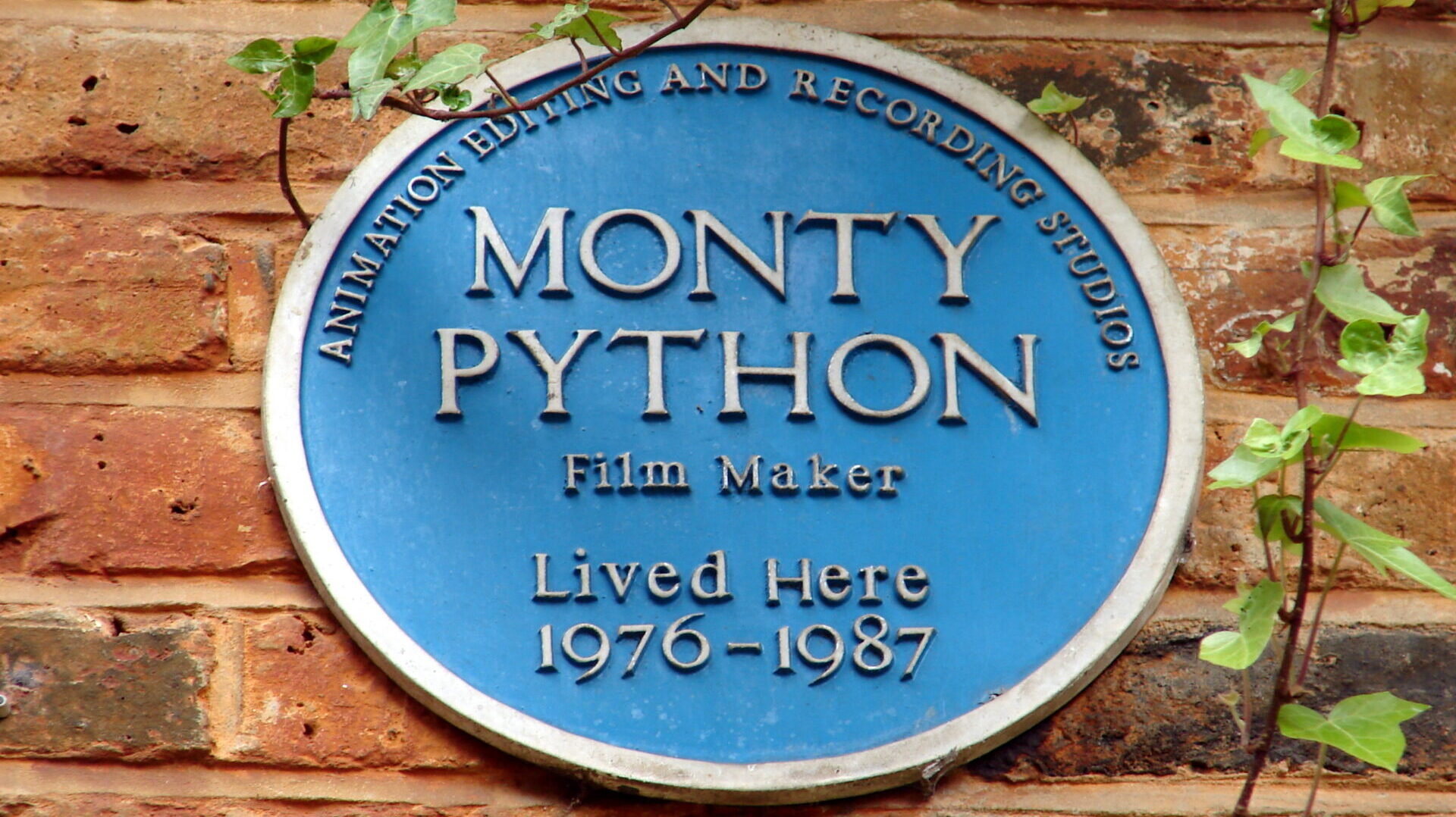
When considering traditional comedy in Britain, Monty Python is what comes to mind for many. Running from 1969-73, Monty Python and the Flying Circus was the beginning of a troupe which was to become a bastion of British surrealist comedy. With Terry Jones and Michael Palin meeting right here in Oxford, and later performing with Graham Chapman and John Cleese from the Cambridge Footlights, their beginnings were typical of many who grew to be huge names of British comedy. Their enduring popularity and influence, however, come from their innovations in the form of sketch and their surrealist humour. Monty Python was known to often break away from the concept of a punchline altogether, with self-aware sketches ending in acknowledgement of their own absurdity. This departure from the traditional form of a punchline is something that SNL can perhaps take lessons from, with a forced punchline of little comedic value becoming all too familiar. The brilliance of the Pythons meant that their influence was felt not only in Britain, but across the world, with comics such as Steve Martin and Robin Williams citing them as amongst their greatest influences.
Returning to Oxbridge, Stephen Fry and Hugh Laurie are two other names which come up frequently when considering our own tradition of sketch. Meeting as undergrads at Cambridge, their sketch show A Bit of Fry and Laurie gave the genre a new dimension as they performed as a comedic duo, instead of as part of a large ensemble. This reliance on a duo and the comedic tension between them meant that they were constantly required to innovate, whereas in ensembles, a larger range of characters often swallowed the humour. The lack of ensemble meant that it intensified, leading to comedy which was sometimes surrealist and always highly entertaining. Fry and Laurie, however, are also representative of the dominance of Oxbridge and middle-class backgrounds within British comedy. By contrast, comics in America are often discovered through more accessible institutions such as improv troupes like Second City in Chicago or stand-up circuits. Programmes such as SNL in the US play a key role in facilitating a more socially varied pipeline of talent, and therefore an institution such as SNL in the UK could play a similar role in creating a more egalitarian means for new talent to be discovered.
Incisive commentary on current affairs is often where comedy shines its brightest, and SNL is no exception, with its Weekend Update often giving way to the most consistent laughs of the night. Such a tradition is pre-eminent in the UK, with sketch shows such as The Day Today and later satirical mock-news programmes like Brass Eye showcasing the genre at its sharpest. These shows demonstrated how sketches could move into biting media criticism and explore the absurdities of modern journalism and public panic, playing into a culture of widespread commentary. This tradition of experimentation – moving beyond the quick-laugh genre of impressions which dominate SNL – is often where British comedy can be at its best, as it wryly challenges institutions and their often hapless bureaucracy. SNL UK could very easily learn from this practice found in our comedy and eclipse its American counterpart in making genuinely incisive political commentary through humour.
SNL UK, therefore, should not be seen as purely an American influence but be viewed in the broader context of our own rich tapestry of comedy tradition. Originating as a form with mass popular appeal, sketch comedy remains a relevant form today because of its adaptability and sharpness. While SNL in America certainly has its shortcomings, its arrival to the UK could take an entirely different direction if it is able to learn from the strengths of what came before it.