

Eleanor Medhurst is a historian of queer visual and material culture, with her website Dressing Dykes creating a space for lesbian fashion, be it past or present. As the June sunshine heralds the start of Pride month, I interviewed Eleanor on the shifting borders of queer fashion – whether it’s intentionally stylish or not.
Obviously, the rainbow flag is the fabulous symbol of pride, but how does colour relate to queer fashion more generally?
Colour is everywhere in queer visual culture, including fashion – these are themes that I explore in my next book (more on that soon!), but which also appear in Unsuitable: A History of Lesbian Fashion. There’s a lot of symbolism within queer fashion: ways to speak with our appearance when it hasn’t always been safe or possible to share our identities out loud. Colour is one of these, often in the form of coloured flowers (like the green carnation or lavender) or shapes (like the pink triangle). These are usually references to queer history, and their incorporation in fashion is a sort of ‘if you know you know’ situation.
How do you think Pride as a celebration has influenced queer fashion?
I think that Pride as a protest has influenced queer fashion in how it’s often a loud, unavoidable event where queer people put themselves on display in order to make queer lives (and queer issues) visible to the general public. A key link between Pride and fashion is the use of bold, slogan t-shirts, which are often handmade and boast activist messages. As Pride has, in some contexts, become more of a festival, references to the rainbow flag are unavoidable; this works as a kind of visual shorthand to assert a queer presence in the world that is recognised by almost everyone.
How do you think queer fashion still grapples with constructs of gender?
Clothing in general is still so regulated by gender. It’s often still taboo for men to wear skirts, for instance, and colours like pink hold especially gendered connotations in our clothes. Queer fashion often unpicks these meanings – usually in a playful, creative way. Queer people are really at the frontline of gender deconstruction within fashion and self-presentation.
How have assertions of the sensible shaped perceptions of lesbian and trans fashion specifically?
Lesbian fashion is stereotypically unfashionable – full of sensible shoes and dungarees, very much shaped by feminist ‘uniforms’ of the 1970s and ‘80s. These are revolutionary in themselves: they carved out space for women to dress in clothes that weren’t always feminine. They made room for comfort and practicality in women’s fashion, letting the borders between gendered styles become less defined. But it’s important to note that this is also not all that lesbian fashion can be – sometimes lesbians dress in clothes that are campy and glamorous, and not at all practical!
In your essay Lesbian Activism and Crafted Fashion you delve into the histories of lesbian knitting practices. What do you think the link is between queer fashion and craft more generally, especially in a world where handmaking is experiencing a resurgence?
This is a pretty big topic to cover, and I’m not sure that I can do so in a single answer: I’m currently working on an entire PhD about lesbian craft! Generally, though, queer people are often drawn to craft because it provides a way for us to shape our own place in the world; in a world that isn’t made for us, this is a powerful thing.
Writing from Oxford (and the backdrop of its academic history) do you think location plays a significant role in different attitudes to queer dress?
I think that location definitely plays a role in attitudes to queer dress, as some places have much more accepting environments than others. This is often based on how queer the population of a particular place is, and how normal it is to see people dressing in non-normative ways!
With the controversy surrounding the Met Gala – and the encroaching power of oppressive voices within fashion – how do you think queer fashion sits within the industry today?
Queer fashions have often been outside of the fashion industry altogether. Sometimes this comes from not being accepted within the mainstream, and others from a place of radical politics. While queer people have always worked within fashion, the fashion industry has also exploited queer style, borrowing elements of queer culture and diluting their meanings for mass appeal. It’s a complicated landscape, and one that is difficult to disengage with: we all get dressed every day, after all.
You recently wrote a book on Billie Eilish’s style. She has an incredibly distinct image while maintaining the priorities of sustainability. How do you think this can be worked into wardrobes more broadly, as a queer symbol or otherwise?
Sustainable fashion is an important topic for a lot of queer people. It goes hand-in-hand with a DIY ethos, as well as the link between craft and queerness that I touched on above. Sustainability can mean many things, but to many queer people it’s about reinvention: giving things a new life, remaking them, making them our own.
And last but by no means least, who is your queer fashion icon?
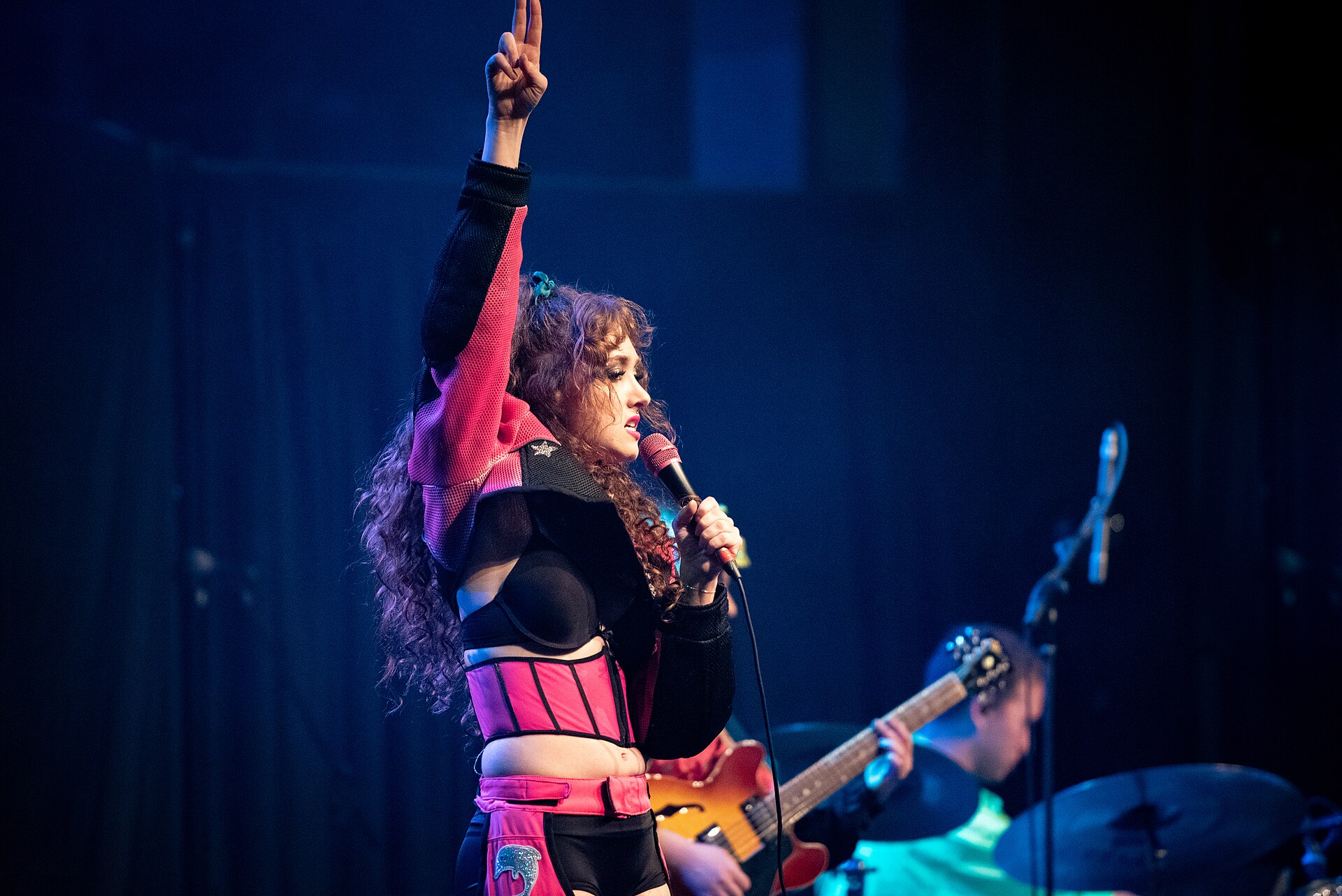
There are so many! Historically, some of my fashion icons include Natalie Clifford Barney, Gladys Bentley, and Madge Garland. In the present day, I’m going to go for the obvious (but correct) choice, which is Chappell Roan.