

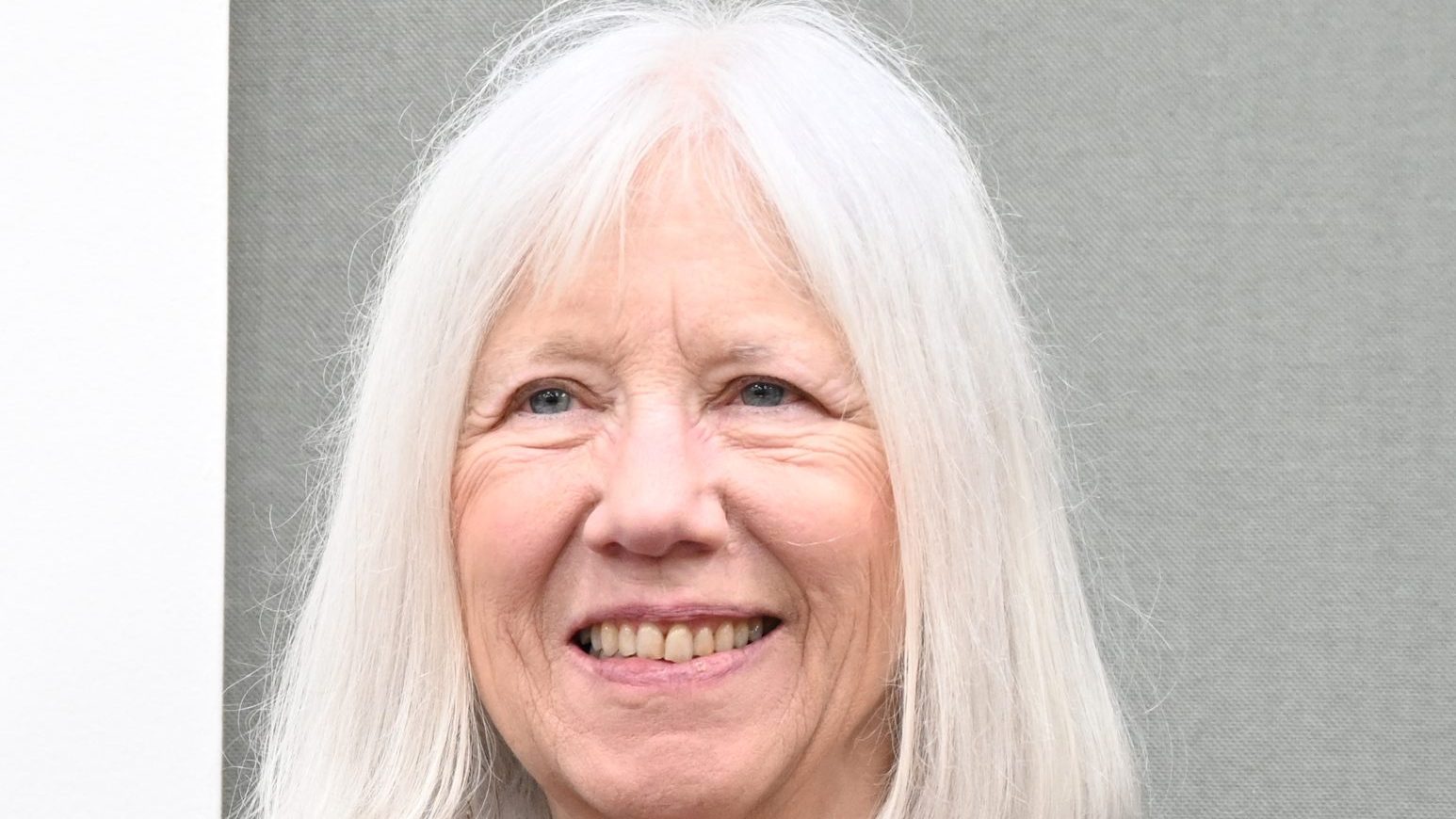
Professor Marilyn Booth, a Magdalen College Emeritus Fellow, has won the 2025 Saif Ghobash Banipal Prize for Arabic literary translation for her translation of Zahran Alqasmi’s Honey Hunger. The judges praised its “exquisite language and style” and its rendering of an Omani setting in English.
The Saif Ghobash Banipal Prize is an annual award, founded in 2006, for translators bringing contemporary Arabic literature to English-speaking readers, and is administered by the Society of Authors and the Banipal Trust. Booth’s prize will be formally awarded by the Society of Authors on 10th February.
Honey Hunger follows a troubled young man, Azzan, grappling with an alcohol addiction, who finds purpose through beekeeping and honey gathering. The book is a technical exploration of the mechanics of honey harvesting, as well as an exploration of past and present. The book also revolves around a romance, Booth told Cherwell: “I’ll leave it to readers to discover more.”
Booth told Cherwell her translation began from “love for the book”. She took the unusual step of completing it before she had a publisher, despite the risk. She described working through many drafts, each with a slightly different focus, and doing substantial research as a result of the novel’s focus on wild bees and ecology in Oman. She told Cherwell: “Never in my life have I learned so many tree names.”
Alongside the technical detail came the problems of translation to an English audience. In Honey Hunger, the villagers and the Bedouin do not understand each other’s Arabic as a result of the language’s great variety of spoken dialects. Booth said conveying that dissonance in English was “compelling” but “almost impossible”, requiring the translator to “come inside somehow” and participate in the novel’s conversations.
Professor Tina Phillips, who chaired the judging panel, called Booth’s translation a “masterclass” that “seamlessly transports the reader to distant mountain landscapes of Oman”.
Booth, an Emeritus Fellow at Magdalen and scholar of Arabic language and literature, is an internationally acclaimed translator. She told Cherwell she hopes the prize draws more readers to Arabic literature, adding that “given what is happening in today’s world, literary translation seems more important than ever”.