

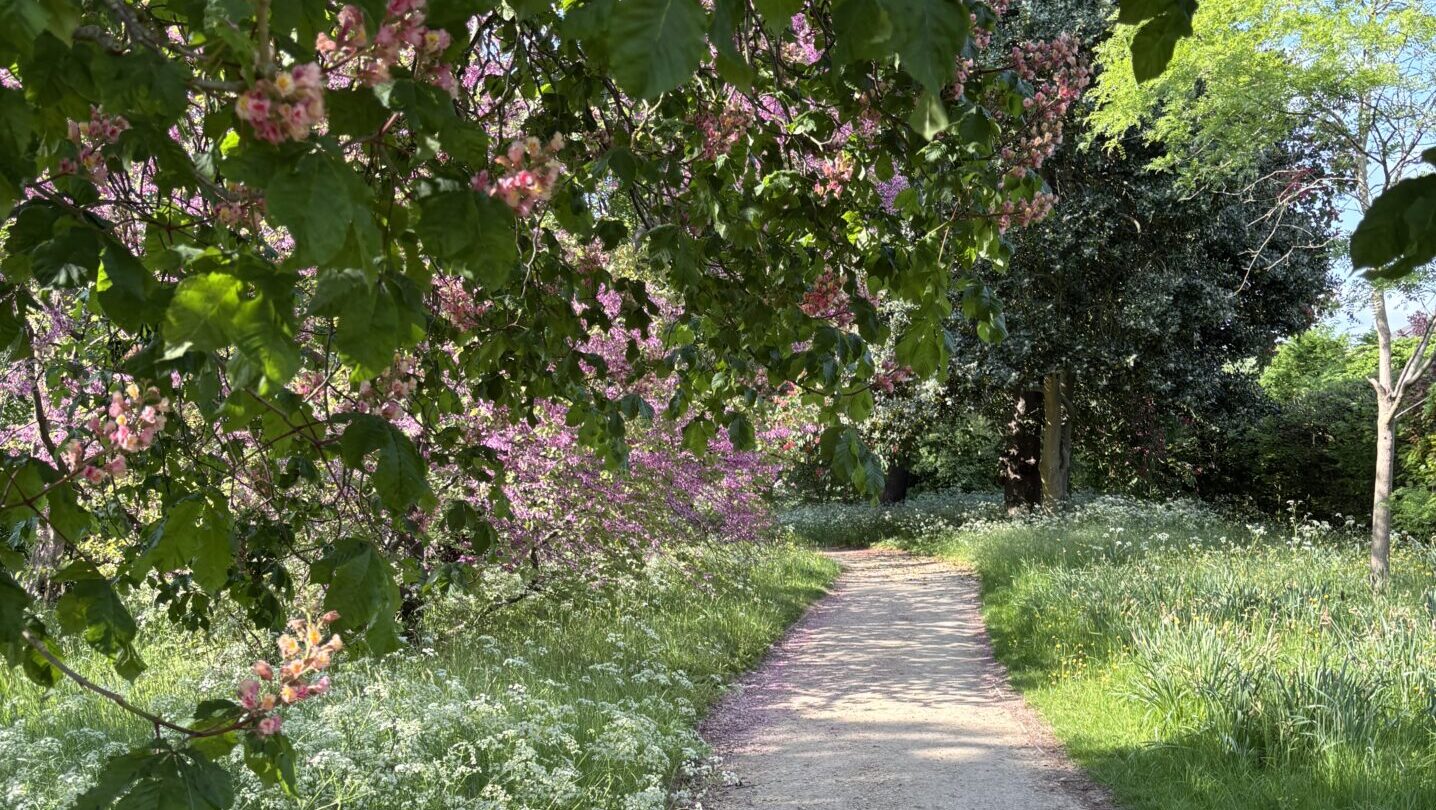
My home village, in the quiet countryside of Cheshire, has a population of 200. Within walking distance, you’ll find a church, a pub, and an upscale coffee shop for passing cyclists. If you want anything else, you’ll need a car – there’s no public transport here, unless you’re willing to tame one of the hundreds of cows scattered throughout the fields. Some of my fondest childhood memories are of damp and muddy Boxing Day rambles through the neighbouring farms, or board game nights when the weather wasn’t hospitable enough to be outside. After receiving an offer to study at Oxford, local scrutiny was everywhere. I couldn’t attend any local tractor run, village fête, or even birthday party without questions about my future following me wherever I went: a side effect of how few people, especially young people, were in the community.
By results day, the prospect of moving to Oxford had become a reality, and it wasn’t the intimidating reading list or the prestigious collegiate system that daunted me. It was the idea of living in the beating heart of a city that never seemed to sleep, where something was always happening. The perpetual chatter of tourists as they snake through the narrow alleyways to peer through the huge wooden doors of another college; the warble of buskers on Cornmarket Street, gathering crowds who toss pennies into their open guitar cases; the wailing of sirens as yet another ambulance drives beneath my bedroom window, startling me awake at night. It was all of these things that made the city feel more alive than anything I’d ever experienced at home.
The streets of Oxford are like rivers. You are packed shoulder to shoulder in a flowing stream of people, each rushing off down their own channel. I often found myself longing to slow down and meander, like a duck floating downstream, admiring the rich history of my surroundings. That was my first lesson upon my arrival in the city: keep moving. Just as the city never stops, neither can you. Coming to a halt to admire a monument or ancient building will result in the agitated mutters of passers-by, inconvenienced by your wonder.
On my way to a lecture at the Schwarzman Centre in my first week of Michaelmas, I remember slowing to read an inscription on a grave marker in the churchyard of St Giles’ (a reminder of the old churches I regularly encountered at home, being both a resident of a countryside village and the daughter of a rural priest). My curiosity was cut short when a woman, probably 20 years my senior, knocked me sideways and delivered a strongly worded admonishment I can’t replicate here. The whole interaction struck me as a little sad: humans are so focused on their own trivial goings-on that we find it so difficult to slow down and admire the things around us. Rather than let the city’s relentless pace deter me, I resolved to make the most of its history. I consider myself an expert at ducking out of people’s paths and taking every winding street to soak in everything I can.
The city’s relative anonymity is another thing that takes some time getting used to. Where a passer-by might stop to chat with you on a rural country lane, the same privilege will not be extended to you down an Oxford alleyway. This reality hit me hard during my first time at the post office, sending letters home to my mother – perhaps an antiquated practice, but there’s something unmatched about the joy of popping a letter in a postbox, or receiving one in your pigeonhole after a difficult day. I was there not only sending letters but also buying postcards for future communications, chatting away merrily with the shopkeeper about the recipient of my letter, and some of its less personal contents. My enthusiasm, however, was met with little more than the occasional nod and a mildly judgemental stare. Equally, many students will whip by you, completely ignoring your smile, nod, or wave. Instead, their heads are down, puffer coats wrapped tightly around them (but rarely zipped, I’ve noticed), backpack or handbag slung over one shoulder, rushing to the library or the coffee shop or the lecture theatre. This surprised me at first, but now that my own classes and lectures have begun, I can sympathise with such individuals. For a student, life often seems to go faster than the average person, between laundry, meal prepping, and completing essays or problem sheets. Balancing the domestic with the academic takes a lot of energy, often leaving little to offer others.
And amid all this rushing around, there’s another challenge: knowing where to go. With so many places to eat, study, and visit, it’s easy to feel lost. Where before my choices were limited to my room, the garden, or a footpath, there are now countless places to explore. This newfound space will almost certainly affect how you study. Personally, this meant finding my feet incredibly quickly, without anyone to tell me quite how I was supposed to do it. The first thing you try is unlikely to be the strategy that sticks. I have played with my screen time, my study location, my social calendar, and found that my day sometimes feels like walking a tightrope between becoming a workaholic and a procrastinator. The allure of city life will distract you from work and likely drain your wallet (the thrill of actually being able to order pizza delivery still hasn’t left me). But don’t let the sheer volume of options overwhelm you. The core takeaway from my experience is to find your calm space amongst everything else going on in your life. Without it, the ebb and flow of Oxford will easily sweep you away with its tide. Finding peace and quiet stabilises you, offering somewhere to drop your anchor and rest for a while.
On the subject of finding calm, if in doubt, go back to what you know. Some days, I do my reading from my bedroom desk, a familiar setting I became all too acquainted with during my A-levels. Others, I take a walk around University Parks – the closest thing I have to walking through farm fields in the middle of Oxford. Above all, don’t put too much pressure on yourself to find your feet immediately. Adjusting to city life has been as much about learning to navigate Oxford as it has been about learning to live independently. When you return home for Christmas and find yourself begging your parents for yet another lift into town, you’ll miss how accessible the city can be. The freedom it brings is something impossible to find in the countryside, and something I’m sure I’ll grapple with when the time comes. For now, though, I’m learning to enjoy my newfound autonomy and the academic challenges of university without getting swept up in the rush, all the while being amazed at how far I’ve come.