

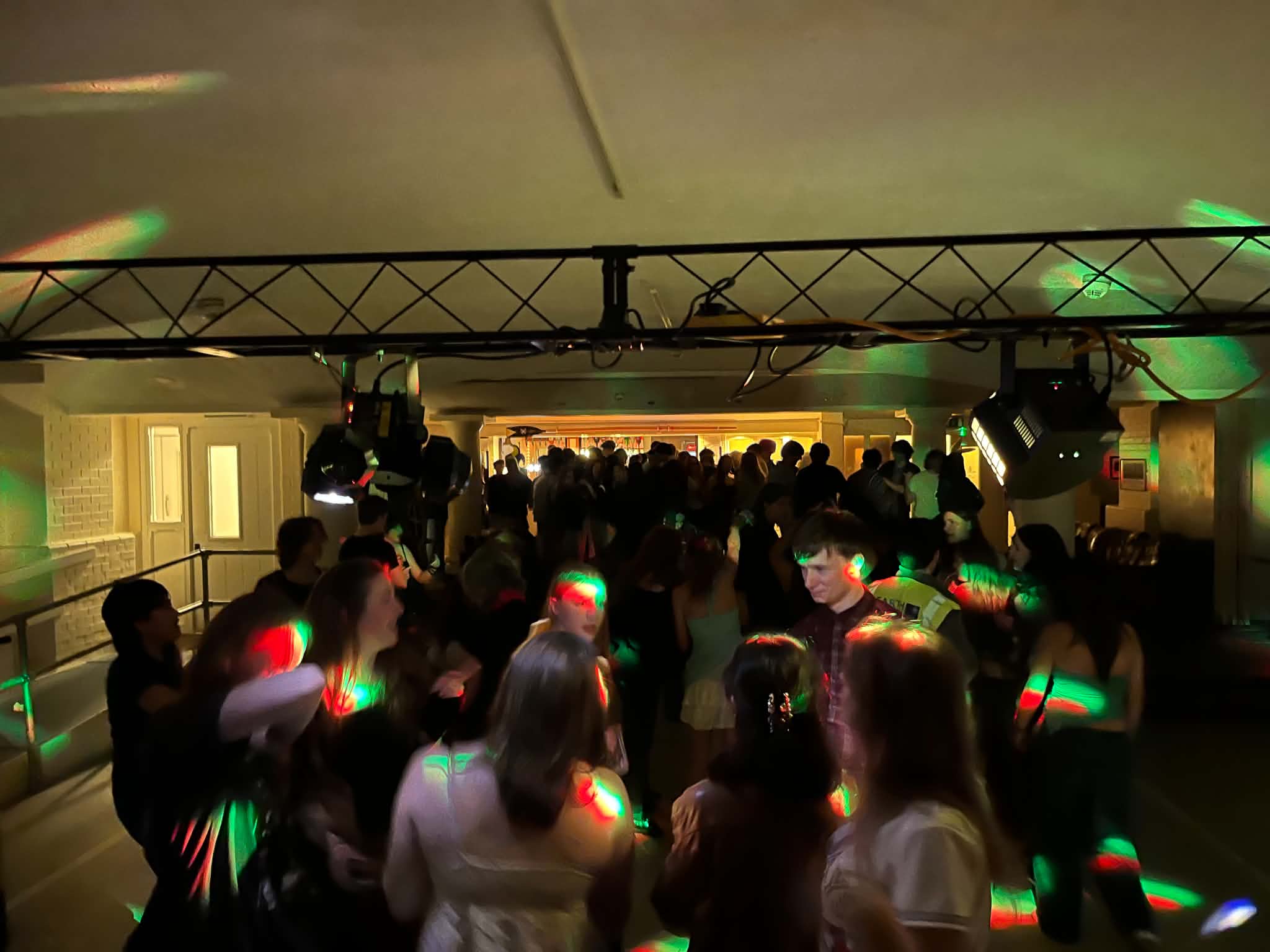
Freshers’ Week is drawing to a close, and the first lectures are rolling around alarmingly fast. The past week has been a cycle of pub, club, and grub alongside a whirlwind of people you’ll spend the rest of your university time with. It’ll have been a tough week – the first week away from home for many, adjusting to newfound independence whilst navigating the throes of Freshers’ Week. With luck, you’ll have come out with a few good stories and some budding friendships.
Yet, the toll of a regular party-going lifestyle may soon catch up with you. A lingering sore throat might have started developing during freshers – an omen of the famous ‘freshers’ flu’. Fatigue might start to catch up at the most inconvenient times – when sitting in the front row of crammed lecture halls. And the Hassan’s cheesy chips that felt so right after THAT Bridge night might be starting to feel less inspired.
Partying and going out are important parts of the social scene at Oxford, and for most, Fresher’s Week is only really a taste of the nights to come. Balancing an active partying lifestyle without completely compromising health is something I struggled with in my first year and something I’m determined to do better in my second.
Fully subscribing to wellness principles, especially as a student, seems onerous, tedious and, well, a little boring; after all, plenty of social bonding does come from drinking, smoking and just not sleeping. Yet, letting health completely slide can catch up with you well before the end of an eight-week Oxford term: you feel groggier, less energetic, and eventually less enthusiastic about going out at all.
Getting enough sleep, drinking plenty of water, and eating a balanced diet are hardly revolutionary advice. Yet, so much of the time in Oxford, they feel almost unattainable or unsustainable. Implementing micro-habits and small tweaks could optimise and enhance the party-going lifestyle, and make going out in university just that bit more calm.
Giving your immune system that ‘Gasolina’
You can tell which lectures were recorded in Michaelmas from the orchestra of coughing harmonising with the lecturer: the soundtrack of students battling freshers’ flu whilst still diligently making their daily pilgrimage to lectures. (classic Michaelmas fresher behaviour). Freshers’ flu is the catch-all name for the coughs, colds, and influenza-like symptoms experienced after Freshers’ Week.
Because Freshers’ Week centres around thousands of new undergraduate students travelling from all over the UK and the world to one campus or small city, a melting pot of infectious diseases boils anywhere where groups of students gather. Communal swigs of bottles of wine and other drinks at pres certainly don’t help. Neither do several nights of poor sleep and heavy drinking.
Some of the factors contributing to freshers’ flu can’t or really shouldn’t be avoided: it is important to meet a wide range of people in one’s first week at university, even at the cost of some respiratory irritations the following week. For a lot of people, going out, drinking, and sleepless nights are formative experiences in Freshers’ Week. If you led a reckless lifestyle during Fresher’s Week but still don’t want to be completely wrecked by a bout of fresher’s flu, there are small preventative measures that you could put in place.
Not sharing your drinks so liberally is a very easy, doable action. In first year, I struggled with this one – if someone did so much as look my way, I would be offering them a sip of my drink. Second-year me will rein in this habit: holding my drinks closer to myself, and just saying no if people I’m not too familiar with ask me to share. Not only does sharing your drinks put you on the firing line for fresher’s flu, but oral herpes and meningitis sound very scary.
Small changes to your diet can also strengthen your immunity, preventing illness in the first place and speeding up recovery. Citrus fruit, like oranges and tangerines, are perfect options here. They taste good, make a perfect light snack at any time of the day, and are fairly cheap. They contain Vitamin C, an antioxidant critical for aiding the correct functioning of the immune system. Vitamin C cannot be made or stored by the body, and so external sources of this micronutrient, say from citrus fruits or even vegetables like bell peppers or broccoli, are essential, particularly when grappling with fresher’s flu. It’s comforting to know that ingredients common to most healthy-ish savoury meals, such as ginger, garlic and onion, contain antioxidants and other micronutrients important for good immune health.
Even drinking tea during the day can aid immune health. Green teas contain high concentrations of epigallocatechin gallate, a chemical which boosts the body’s immunity, whilst both green and black teas contain flavonoids – very good news for the body’s immune system. Studies have also found that milk benefits immunity – suddenly a cuppa sounds like the silver bullet for fresher’s flu.
By the sounds of things, any food or beverage that’s fairly-ish healthy and not too processed could be the answer to a smoother ride through the oncoming Fresher’s flu epidemic.
Disturbia-nces of sleep and what to do about them
Day after day of late nights can leave you feeling fatigued, groggy and very much sleep-deprived. There is no clever hack that replaces sleep, but there are ways to make the occasional bad night less painful.
Post the club and any afterparties, it can be helpful to have a quick post-night-out sleep routine. For example, drinking lots of water and eating a light snack, like a banana, before bed. A warm shower and cleanse before bed can also help set a calming atmosphere. Although this might seem like a very long-winded process at the time, in first year I found that having this routine meant I had a better quality of sleep but also meant I woke up feeling a lot cleaner and nicer.
Running on two to five hours of sleep can make the next day tough, both for you and the people around you. This is where naps are really your friends. A short nap around mid-afternoon – around 20 minutes – can improve alertness without consuming half the day, although exactly how groggy you feel afterwards varies.
‘Nappuccinos’ can be incredibly effective. Drinking caffeine, for example, a latte, just before a nap means that you wake up feeling fresher, more awake and caffeinated. Caffeine from coffee takes around ten minutes for the first effects to be felt, with peak concentration typically being reached after forty-five minutes. This works perfectly with the timings of a nap and so can be an effective technique for working past the lack of sleep.
In reasonable quantities, up to 400 mg per day for a typical healthy adult, caffeine can be a good helping hand following a poor night of sleep. Too much, however, can instead leave you jittery, anxious, nauseous, or struggling to sleep the following night.
Coffee isn’t for everyone, especially following a night out. In this case, teas are your friend – practically any, for example, Oolong, black, and green teas. Green teas and matcha tend to have higher caffeine content, and matcha is often preferred over coffee due to more prolonged and smooth effects on energy – the caffeine in matcha is absorbed more slowly compared to that of coffee, due to the presence of an amino acid called L-theanine. Cocoa also contains caffeine – so having a hot chocolate or square of dark chocolate can also contribute towards a solid caffeine intake, albeit a smaller dose.
Although these tricks can get you through an occasional bad morning, it is also important to make sure that sleep deprivation does not become a constant throughout the remaining eight weeks of term at Oxford. Taking rest days, where you get a proper night of sleep, and saying no to some late-night social events throughout the coming weeks will ensure that running on three hours’ sleep per night is not your new baseline. Eventually, another night out stops being fun and starts feeling like an obligation. Sometimes the healthiest ‘micro-habit’ is simply saying no and going to bed.
I Gotta Feeling I’ve got a hangover
It’s difficult to tell what symptoms of a hangover are and what is just pure exhaustion. Hangovers are typically characterised by vomiting, diarrhoea, headaches, sleep deprivation, amongst other symptoms. Interestingly, most hangover symptoms peak when blood alcohol concentration is back to zero.
This is probably the principle behind the ‘hair of the dog’ hangover cure, where one drinks more alcoholic beverages upon onset of hangover symptoms. Unsurprisingly, postponing your hangover by drinking more is not much of a cure.
Drinking lots of water both before going to bed and the morning after is a good idea, especially as alcohol suppresses vasopressin, increasing urination and contributing to mild dehydration. It will not magically cure a hangover, but it may at least address the thirst.
Some sort of kebab van novelty is the norm after a night out. While eating food following alcohol consumption can go a long way to easing hangover symptoms; however, fatty foods shouldn’t really be the go-to. As boring as it sounds, eating healthy, fairly unprocessed foods is the way to go: oatmeal at 4am; eggs and avocado on toast as a 1pm breakfast; if you really squint, carrot sticks could almost be chips. Not only is this cheaper than getting £5 fried food items after every early-morning escapade, but also your skin and waistline will be better for it.
Finally rapping it up…
Term times at Oxford are notoriously short and notoriously intense, as first years will soon discover – and older students, by now slightly scarred, already know. Balancing a social life, a demanding workload, your health, and – for many – living away from home for the first time is difficult.
I know I put health and wellness on the back burner in first year. I’m not planning a monastic second year in response. If anything, I want to go out just as much – only without feeling completely destroyed by week four.
Being healthier at Oxford does not have to mean swapping Park End for Pilates and becoming evangelical about chia seeds. Drink some water. Stop sharing bottles with half the smoking area. Eat something vaguely nutritious. Take a nap when you need one. And, occasionally, accept that the best preparation for your next night out is a night in.