

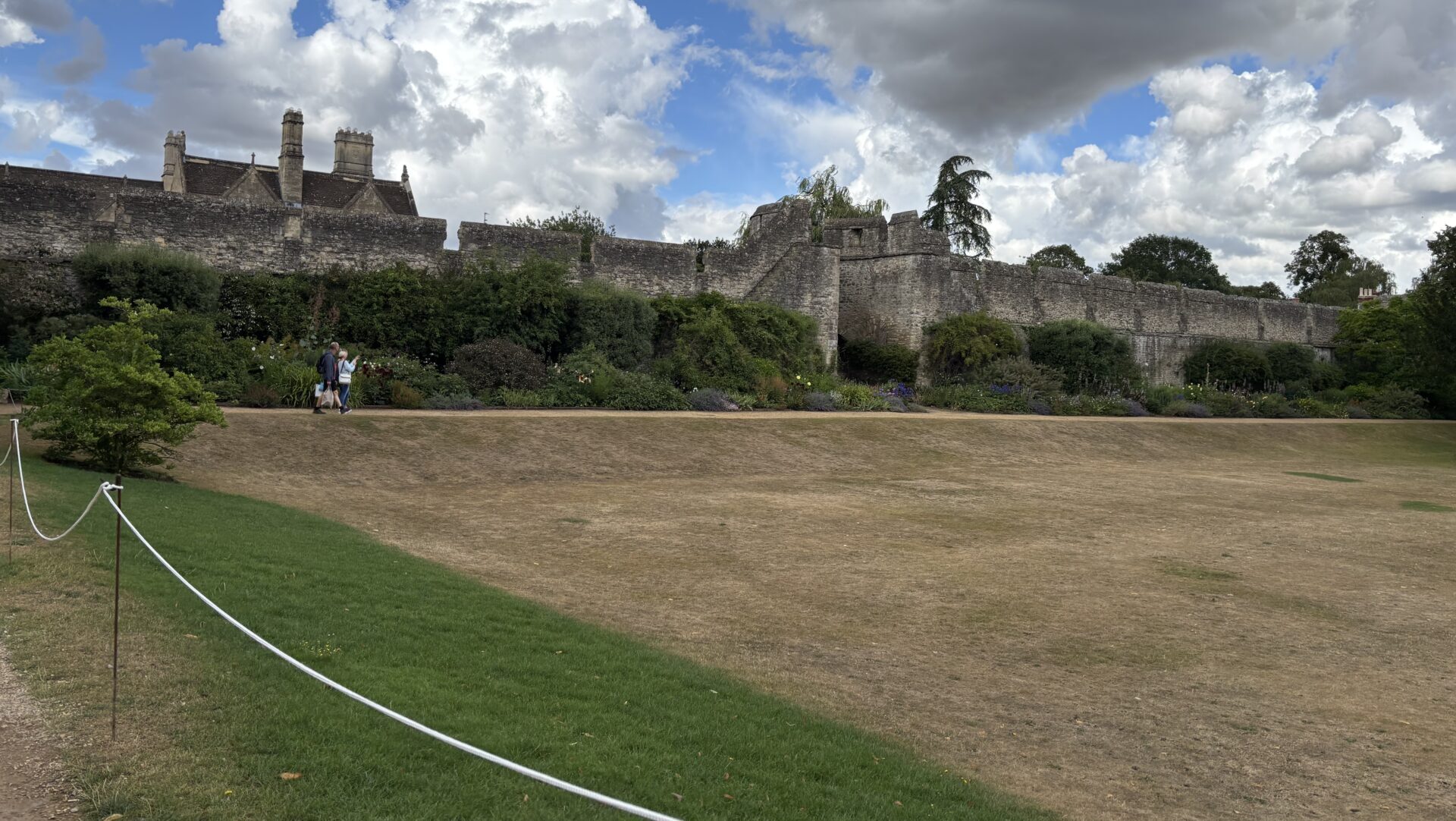
It feels like only days ago that I was walking through the University Parks, ringed by waves of the greenest grass, the shiniest puddles, and the healthiest plants. Despite the occasional shower or muddy shoe, everything in the world seemed in order. That oh-so-familiar smell of dampened greenery was always a comfort to a countryside girl like me. The knowledge that all growing things could thrive was something that, only now, in hindsight, I feel unbelievably nostalgic for. The early spring sun marked a warm greeting to what I thought would be another hot but usual year in the UK.
Oh, how wrong I was.
The summer of 2026 was set to be, according to the Met Office, the hottest since records began, primed to beat the already record-breaking heat of 2025. That statement feels like gospel truth. Sticky, sweaty, endless nights of useless fans, gaping windows, and ice-cold flannels are just a small testament to the intense annoyance of what is likely to become an everyday occurrence in summers to come.
There has always been a national obsession with the weather for us Brits, as it does make a fantastic icebreaker for small talk. But like the Old Man in Aesop’s Fables, in our constant wishes for a hotter and less rainy climate, we’ve been lumped with the very extreme of our desires. Air-con-less buildings, hosepipe bans, and unprepared UK infrastructure have proven, this year much more than others, that we are currently unequipped to handle this rapidly changing climate.
Those daily walks through the parks, meticulously cared for by the University’s groundskeepers, became, over July and August, a stark warning of a bleak and barren world, dulled by crusted, broken ground. I keep being reminded of the 2008 Pixar film WALL-E, which so brilliantly depicts a future devoid of the very things we are losing in this daily heat. It has never been clearer that the climate crisis is a very real and very present threat to the structure and upkeep of our lives.
But not all is doom and gloom. Just like WALL-E, there is a silver lining to be found within the lack of clouds. No year has been more powerful in showing individuals how a changing climate affects us daily. Our farming industry has taken a huge beating, visible in the rising prices of supermarket essentials such as meat, grains, and produce. Our transport industry has been thrown into disarray, with the growing heat torching rail tracks and softening road surfaces. Even our retail industry has been hit, as higher temperatures deter the ‘mooch’ culture we, as Brits, so love. As these changes become non-negotiable and so clear to the pedestrian eye, a new wave of discussion and fresh ideas for change are inevitable. A drive from individuals and local councils that filters all the way up to government and global schemes is a clear necessity now in our fight for a safe and sustainable climate.
Bicycle rides down Broad Street, afternoons in the Radcliffe Camera, and punting trips down the Cherwell have never felt quite so anxiety-inducing. At the student level, these changes are already altering daily life. I have never experienced heat like this. While trying to get my hard-earned beauty sleep, I found myself constantly between my bed and the sofa in the living area. Although the rest of my house felt very much the same, the sauna upstairs proved to be beyond taxing. It was the most surreal and clammy game of musical chairs I’ve ever played. Top-floor rooms in student accommodation or houses bake like ovens long past midnight; our moods begin to drop, our energy drains and our bills rise. It shapes how we study, how we sleep, and how we move through the term. Eco-stress is far less a twee turn of phrase than an imminent reality. Fearmongering is not my game, but when your senses are this attuned to the problem, you feel compelled to act.
At Oxford University, we are surrounded by the smartest minds from across the globe. There is no better place to experience and take part in the momentum of grassroots campaigns and student-run organisations. The Oxford Climate Society, led by students sitting next to you in lectures or halls, is the central hub for making real and lasting change at personal and systemic scales. One of my oldest friends is a key committee member, focusing her time on the education section. It was through her passion for the society and her captivating debates that I knew I wanted to get involved. Through campaigns, events, workshops, and courses, the society offers an inclusive and student-led space ready to challenge, educate, and inspire. Not only that, but they are also warm, kind friends to make whilst at Oxford, who, unlike our current climate, are always steady.
Small, seemingly trivial choices can absolutely build into lasting differences. We can demand smarter and more environmentally conscious food options in college dining halls. We can push for green initiatives, better energy investments, and stronger funding opportunities in JCR and MCR meetings. We can build our moods back up, recharge our energy supplies, and get those bills back to a level of mutual comfort. Despite feeling like a needle in a haystack, a student amongst many, we truly do have the power to create enduring effects. And we can hold institutions accountable and make a real difference within our university walls.
WALL-E was ultimately a love story, not just between two robots, but between humanity and the earth. The course of true love never did run smooth. But with education, understanding, and active engagement with our changing environment, there is always hope. We don’t have to settle for enduring the summer heat; together, we can build a future where we don’t just survive, but we live.