

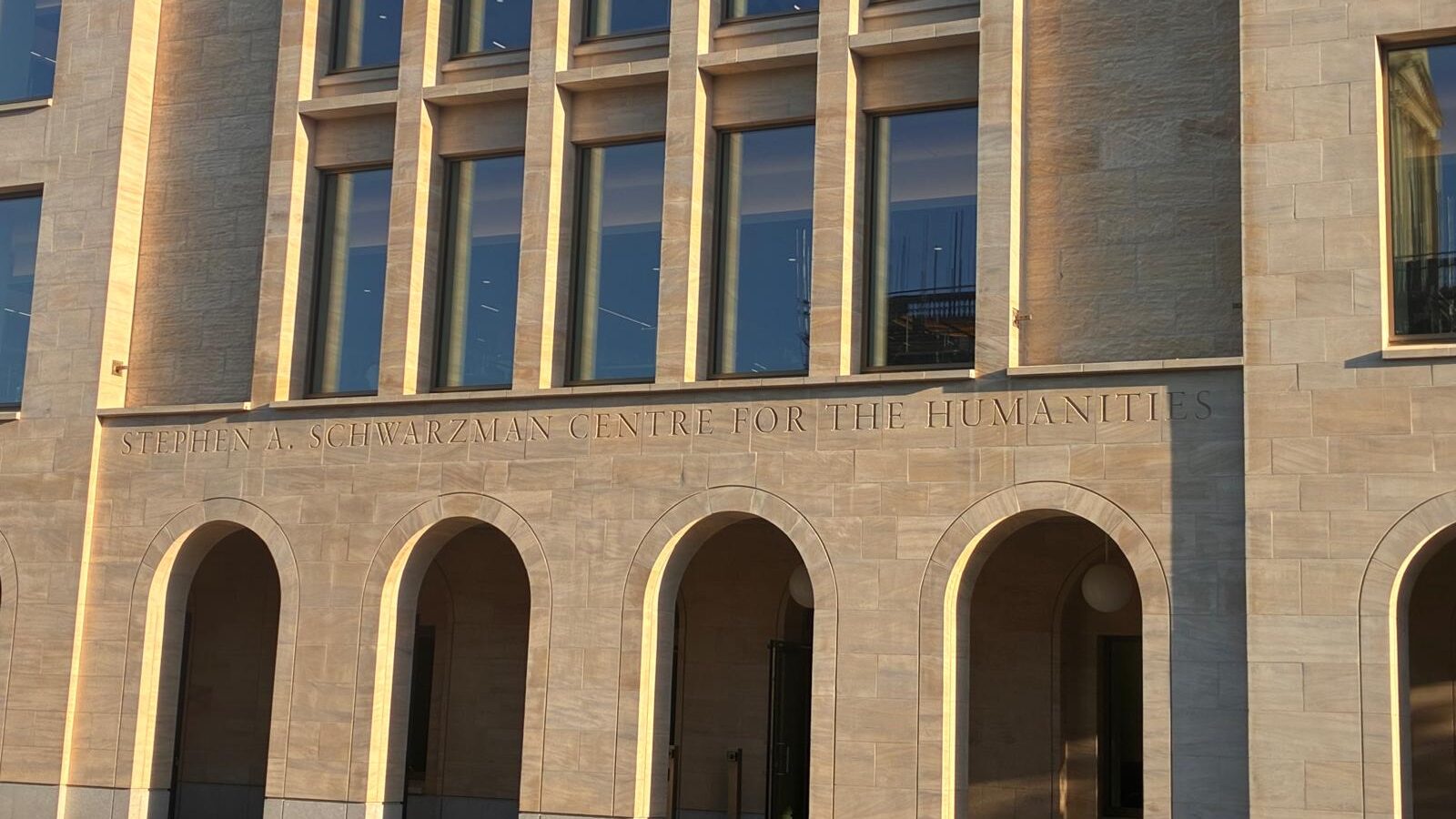
The University of Oxford announced plans to establish the Oxford Centre for Korean Studies, at the official opening of the Schwarzman Centre over the weekend.
Approved last month and set to open in October, the centre – which will have an estimated budget of £3.76 million – forms part of a gradual increase in Korean language and history academic provision at the University over the last two decades.
In 2006, the University also created an Associate Professorship in Korean History, followed in 2007 by a Professorship in Korean Language and Literature. The new centre is being led by the two current holders of University of Oxford professorships in Korean history and language, Professor James Lewis and Professor Jieun Kiaer, respectively, as well as Dr Young-hae Chi, a Korean language lecturer.
For undergraduates, Korean can be taken as an additional language if they are on a course with Japanese or Chinese as the primary language, whilst for graduates, a Master’s of Korean Studies program is available. Since Michaelmas Term 2024, Korean classes have also been offered by the University’s Language Centre.
Korean media outlets have depicted the centre as a response to the “Korean wave” in global popular culture, referencing the growth in popularity of South Korean cultural exports, including films, K-pop, and K-dramas. The Centre for Korean Studies also reflects a broader trend in increased study of East Asia at Oxford, with the Nissan Institute of Japanese Studies opened at St. Anthony’s College in 1981 and the opening of the University’s China Centre in 2008.
Professor Jieun Kiaer, of Hertford College, described the centre’s future English-language scholarship into Korean culture as important for the long-term continuation of Korean studies.
The opening of the Centre included a free day of events and performances, including performances by the Scottish Ensemble and Chamber Choir Scola Cantorum, alongside the display of artwork created using artificial intelligence and theatre productions. Speaking ahead of the opening, John Fulljames, director of the Schwarzman Centre’s cultural programme, described the Centre as a “new public home for the humanities” and “a place where we can all come together to make sense of what it means to be human in today’s world”.