

Oxford supposedly trains critical thinking skills. After all, what’s the point of our degrees if we can’t think? Yet all too often, this part of our mind switches off the moment people look at art. Unleqss you are an art historian or an artist yourself (neither of which I am) there is often a fear of critiquing art. After all, I lack an encyclopaedic knowledge of art movements, I do not exhibit work, nor do I (much to the annoyance of my Cherwell bosses) write much about art. It is easy to fall into the trap, especially when visiting a gallery abroad, of letting it wash over you, walking from room to room and just looking and moving on. Perhaps you’ll read the occasional exhibition label, but that’s as far as it goes.
All too often, how much we like artwork comes down to ‘vibes’, initial gut-reactions we make, and then quickly negate by stating that surely it’s all about taste. The primacy of subjectivity is common in contemporary expression. It is often at the centre of debates online sparked when modern and contemporary art are presented with their seemingly absurd prices, alongside commentary from various political accounts on its justification. Yet this reflexive reliance on taste all too often closes down reasonable critiques of art.
The fact that art challenges uncomfortable realities or assumptions does not mean it should not exist. Frequently, art that is difficult to understand is lampooned from the perspective that only precise artistic expression is permitted – this is not what I wish to argue. The fact of taste and its subjectivity should not make you scared to critique art. Don’t let your supposed lack of qualifications limit your ability to talk about what is being argued in front of you. Yes, argued. Art makes a barrage of criticisms about society and the way in which we live our lives. It must not become a lecture, so return fire.
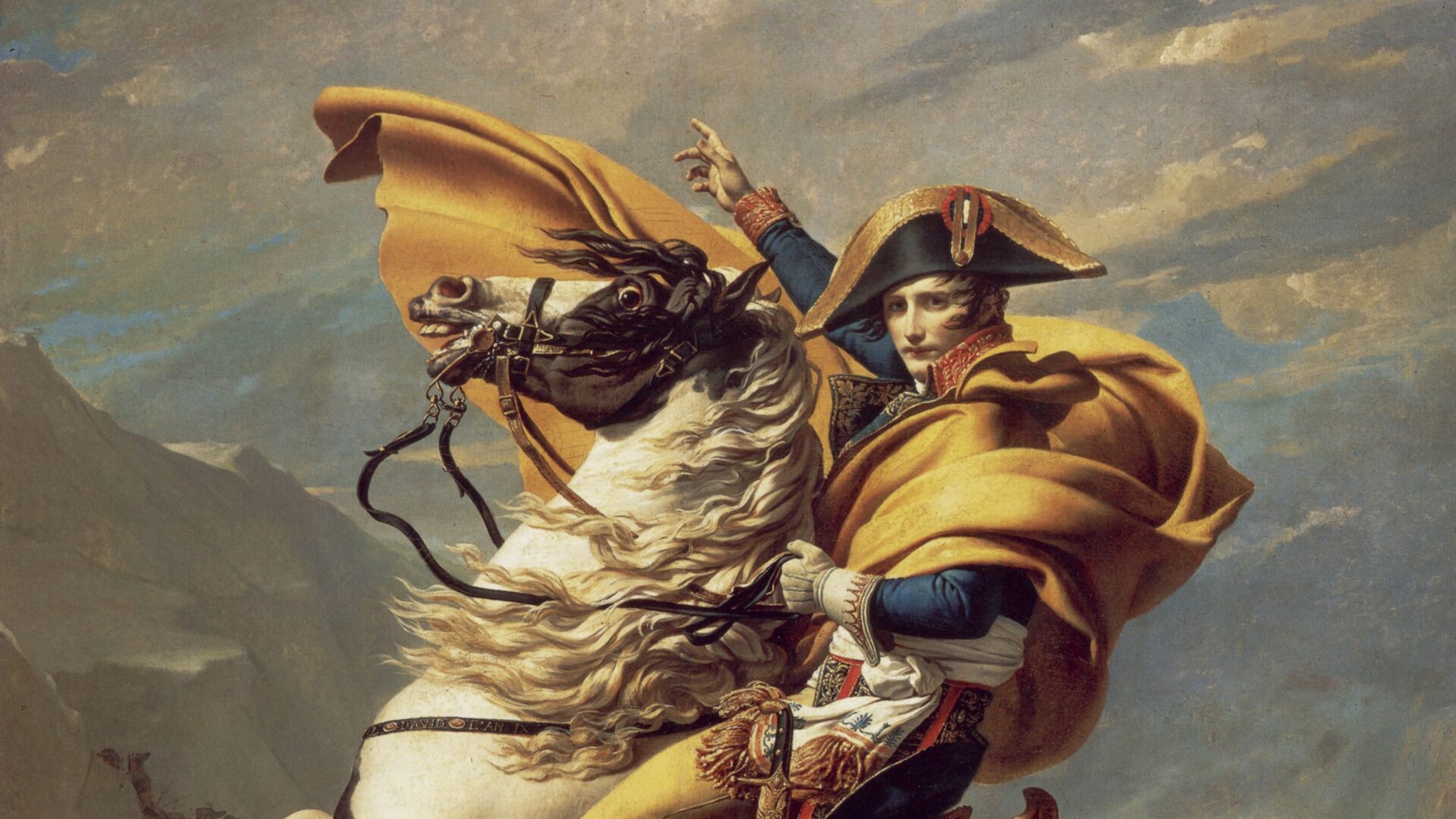
This is most commonly found in critiques of the claims of historical art. Every tour or discussion of a work will always point out historical inconsistencies, propagandist efforts, or the financial interests at play, particularly with works such with the famous Napoleon Crossing the Alps (1801). Yet, outside of obvious examples, art is often simply accepted. Our earlier default approach to art – gliding through rooms looking for something that catches the eye, or for a famous piece, and quickly moving on to the next one – keeps us outside of the actual art and the discussion it brings forth.
The little placards, or website descriptions, are not simply explaining the artwork, they are making claims about it. Artists are just like any other producer of work – they are not immune to waffle, flaws in execution, or deception. Artists can lie – don’t trust them. Or, at the very least, they can deliver less than claimed.
Take, for example, Sara Sallam’s recently exhibited work in the Pitt Rivers: Suturing Wounds. Her artwork takes facsimiles of late antique Egyptian burial textile fragments, stitches them together (“suturing” the wound of their separation from their burials) into a tunic that is then worn by Sallam outside the V&A Museum storage where the original cloths are contained. She is photographed wearing them in an act of “embodied protest”.
These are the basic premises of her work. Yet, these claims should not be so readily accepted. To protest their use as a merely visual item, does stitching facsimiles of them together (irrespective of their unique and highly personal nature) into one photographable outfit actually liberate them? I would argue it merely places them back in the visual space. Is photographing them outside a storage site truly a protest? The blank space on the tunic seemingly emphasises her performance, rather than the imprisoned artefacts. Frankly, I don’t believe that her claims were well executed in the artwork produced.
Certainly, to the stereotypical British politeness, critiquing art is difficult when the feelings of the artists are so entwined with the work. Much of contemporary art is not designed simply in relation to society, but as a broader expression of the artist’s life and emotion. Emotional vulnerability is fundamental to the creation of powerful art. However, emotional vulnerability requires actual vulnerability, and that means actual challenges to what is expressed, rather than the mere praise of vulnerability.
Next time you visit an exhibition, or visit a gallery, don’t just glide past it. Certainly art is highly dependent on taste, but that does not mean your taste should be kept quiet. Often you, and perhaps the artist, would benefit from some truly critical perspectives.