

There is a particular kind of cultural contempt reserved for the live-action remake. Many film buffs see them as evidence that nothing new is being made in Hollywood, that writers have given up, and that audiences prefer to be spoon-fed reheated stories. But to dismiss live-action remakes entirely is to miss what they reveal about the moment we are currently living through. I held the same distaste for them, but never made the attempt to understand the reasons why these films are made and why they continue to succeed financially.
Maybe it’s time, then, to challenge my past attitude, and attempt to find worth in a film format I previously considered redundant. Live-action remakes, when viewed with an open mind, can be seen as cultural negotiations, as attempts to revitalise and pass down old stories to new eyes and ears. They test which morals we still believe in, and what we feel requires modernisation. They are a first step towards change in a time when change feels frightening. They make up a film category of their own, which deserves to be recognised and respected.
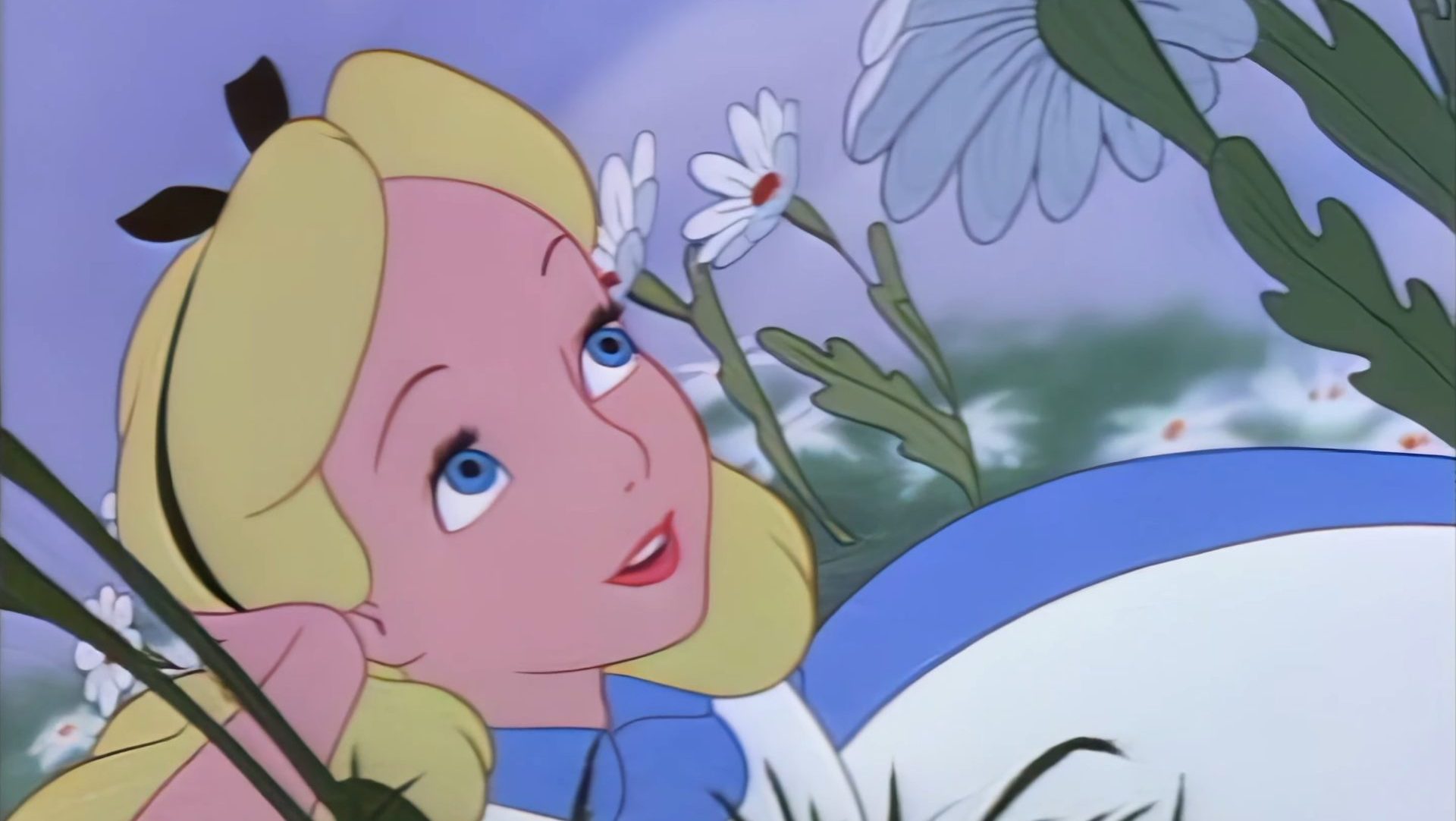
The live-action remake is often accused of simply tracing the outline of something we have already seen and loved. But this is not entirely true. The trend within this genre in the early 2010s was to take the original story and put a darker spin on it. Tim Burton’s Alice in Wonderland essentially changes the entire plot of the original 1951 film by including Alice’s mission to slay the Jabberwocky, all enacted with Burton’s trademark gothic tone. The Sorcerer’s Apprentice, Maleficent, and Snow White and the Huntsman, which sit somewhere between remake and adaptation, all add a grittiness absent from their source material. This shift in tone in the early 2010s reflected a cultural seriousness that rewarded tonal darkness and thematic maturity. It was as though the modern audience had become disillusioned with the innocence of the fairy-tale, and so these remakes treat optimism as something to be earned through suffering. The point of these films was not fidelity; instead offering a reframing of familiar narratives, treating fairy-tales as raw material for a different type of film entirely.
Regarding the Disney remakes of its animated musicals, the charge that these films are just lazy cash grabs is harder to dismiss. After all, it’s true that Disney’s most financially successful movies are sequels, adaptations, and remakes. But perhaps that indicates that they are responding to audience trends: after all, we are the ones who continue to watch them. Business rationale explains why these films are commissioned; it doesn’t fully explain why they resonate. The stories are timeless, and their morals and messages still ring true after decades. And since these films cater not only towards the original audience’s nostalgia, but also towards new generations, these messages are thus revived and remastered for a modern audience.
Also, once budget is factored in, their returns are not as efficient as the originals: Beauty and the Beast (2017) grossed $1.2 billion on a $255 million budget, but the 1991 original grossed $451 million on a mere $25 million budget. These films are gargantuan feats, showing off the advancements in CGI made in the decades elapsed since the release of the original. They require hundreds of crew members and thousands of hours of real labour. It is reductive to call live-action remakes ‘lazy’, when in reality they reveal how much work goes into making familiar stories feel relevant again for a new cultural moment.
Before starting to write this, I was judging live-action remakes by the wrong standard. I wanted them to be at once faithful and original, reverent and surprising, comforting and challenging, but, of course, many adaptations buckle under the weight of these contradictions. The quality of live-action remakes varies greatly, and I am personally not a fan of many of them, but I am by no means against the live-action remake as a concept. And even in their failures, they remain revealing of what ideas have changed in the past few decades, and what we hope to preserve. To defend the live-action remake, then, is not to defend every individual film, but to recognise the genre as an ongoing attempt to translate inherited stories into a present that no longer trusts innocence, but still longs for it.