

The 21st century has seen the rise of streaming services in both visual media and music, heralding the predominance of monthly fees over outright ownership. Although physical media has recently made a comeback through a surge in popularity of CDs and vinyl, their price has significantly increased since their original use. The cost of watching live performances has also drastically risen in recent years. Corporations such as Ticketmaster raise prices, with recent controversy over their ‘dynamic pricing’ system which inflated prices of Oasis tickets based on public demand.
Whilst music in the 21st century is instantly accessible through streaming platforms, this convenience has come at the cost of music’s perceived value. Rather than owning music, listeners now pay a relatively small subscription fee to access vast catalogues advert-free, with services such as Spotify and Apple Music dominating the market at £10.99 and £12.99 per month respectively, or just £5.99 for students. In contrast, physical formats such as vinyl, typically priced at £20 or more per record, alongside the expense of a turntable and speakers, require a far greater upfront investment that is often unrealistic for students amid the rising cost of living. However, the unprecedented affordability and accessibility of streaming undermines the price of music itself; for less than the cost of a single album per month, users gain access to almost all recorded music. As a result, the most pressing issue facing the industry is not that music is inaccessible, but that its value has been drastically reduced, leading to artists receiving minimal financial compensation for their work from streaming services. Thus artists often rely on sales of physical media and concert tickets in order to make a profit.
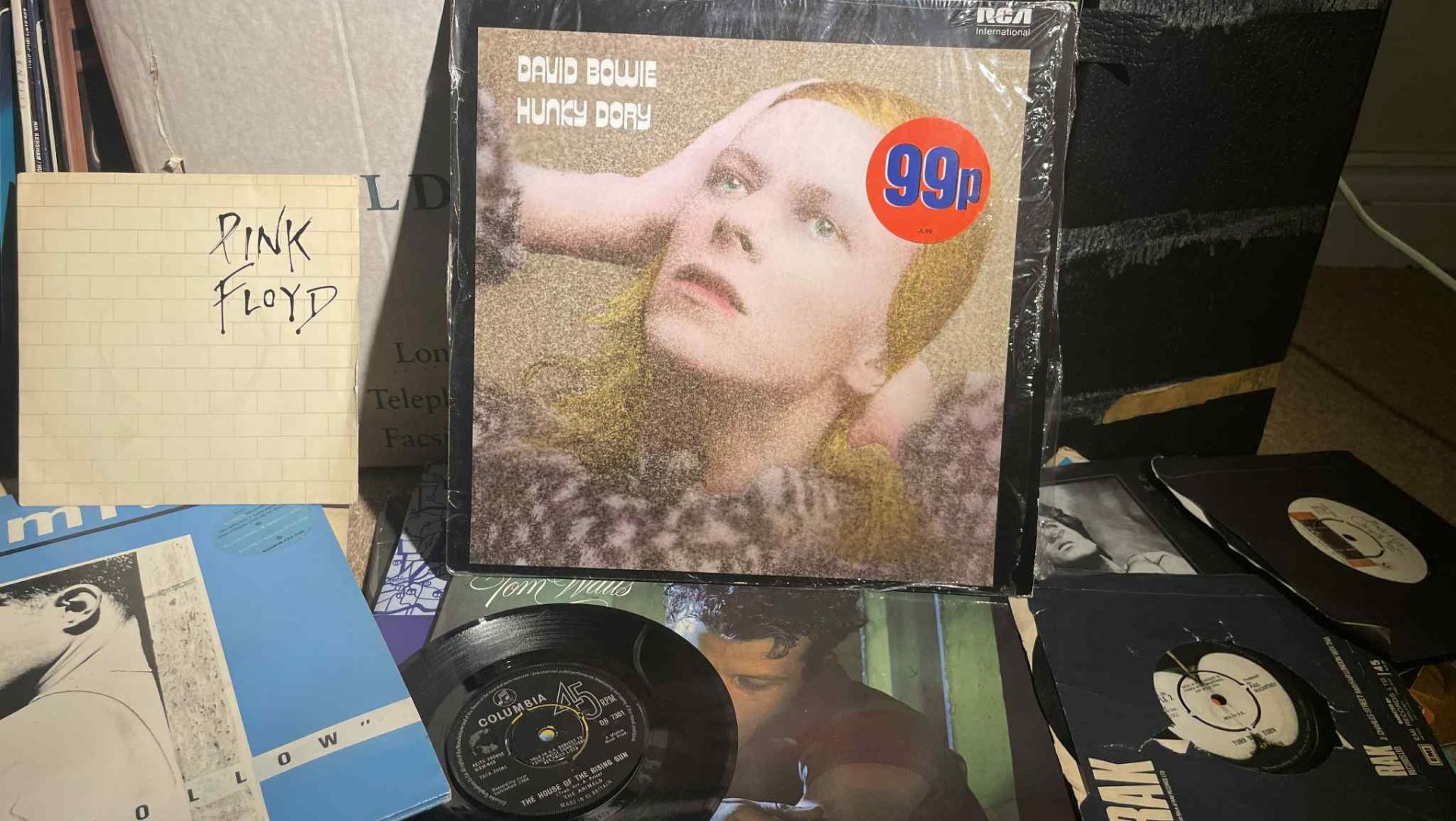
In comparison to the prices of physical media just under two decades ago, the sharp increase in costs is remarkable. The average price for a vinyl record was “$6-$10 fifteen years ago to $15-$30 now” according to Discogs. Naturally, inflation is in part responsible for this gulf, but the key driving factor in this price increase is due to increased consumer demand from those who wish to own their music outright or simply want to support their favourite artists. Looking even further back in time shows how much the price of records has increased. I have been lucky enough to have been given my parents’ collection of vinyl, some with price stickers still on the covers with costs of as little as 99p for David Bowie’s Hunky Dory.
Although previous generations often paid significant sums for new individual albums, even when accounting for inflation, their spending was tied directly to ownership and a clear valuation of music. By contrast, the contemporary streaming model offers near-unlimited access for a minimal monthly cost, fundamentally altering not only affordability but also to whom music culture is marketed and how its value is perceived. Vinyl’s resurgence has often been framed as a nostalgic or ‘premium’ experience, aimed at collectors rather than casual listeners. Limited pressings, coloured vinyl variants, and exclusive releases all drive prices higher, turning music into a luxury product rather than a shared cultural good. While this may benefit artists and independent record stores to some extent, it inevitably excludes those who simply cannot justify the cost, particularly students.
Streaming, while initially appearing to solve this problem, introduces its own barriers. Monthly subscriptions may seem affordable when compared to vinyl, but considering the growing number of digital services people tend to pay for films, television, or gaming, the cost quickly accumulates. For those with less disposable income such as students, even a £10 monthly fee can be difficult to prioritise, particularly when free tiers are increasingly limited by adverts, restricted features, or reduced audio quality. I remember using the free version of Spotify before shelling out some of my maintenance loan – I wouldn’t recommend it. What’s the point of having access to a range of music when there are adverts playing every 30 minutes and there’s no shuffle feature? Music becomes something you rent rather than own, and once payments stop, access disappears entirely.
There is also the question of artistic value. Streaming platforms pay artists notoriously low royalties, meaning that despite listeners paying more over time through subscriptions, the musicians themselves often see little financial benefit. This creates a system where consumers pay repeatedly, artists struggle to sustain careers, and large corporations reap the majority of the profit. In this sense, the ability to instantly stream music does not translate into meaningful support for music as an art form, since streaming profits rarely reach the artists whose work sustains these platforms. As of July 2025, Australian indie rock band ‘King Gizzard and the Lizard Wizard’ pulled their entire catalogue from Spotify, stating that “Spotify CEO Daniel Ek invests millions in AI military drone technology. We just removed our music from the platform.” This points to the inherent injustice – Spotify is more interested in lining the pockets of its dubious executives than supporting the artists it benefits from.
As artists are receiving low royalties from streaming services, profit must be generated in other ways, for example in the sale of concert tickets. Live music has likewise become very inaccessible to many, making it more of a luxury than an ordinary pastime. Foreign artists also usually limit their tour dates in the UK to the same cities: London, Manchester, Birmingham, and Glasgow. In addition to the already high ticket prices, people living in certain areas of the country are prevented from seeing their favourite artists in person because of high travelling costs and the infrequency of performances in smaller cities. The Oxford music scene in particular is very limited, with larger artists usually performing only at the O2 Academy on Cowley Road. Given the wide range of potential venues in Oxford, from college bars to the variety of pubs across the city, shouldn’t artists aim to appeal to students in a more intimate setting, rather than perform to larger crowds?
Overall, while music in the 21st century has become easier than ever to access, this accessibility is often superficial. The shift from ownership to subscription-based consumption has lowered the immediate cost to listeners, but has simultaneously diminished the perceived value of music and the financial security of artists. At the same time, the rising cost of physical media and live performances has repositioned music as a premium or luxury experience, excluding many, particularly students, from meaningful participation. Rather than democratising music culture, contemporary systems increasingly prioritise corporate profit over artistic sustainability, raising important questions about who music is truly accessible to, and at what cost.