

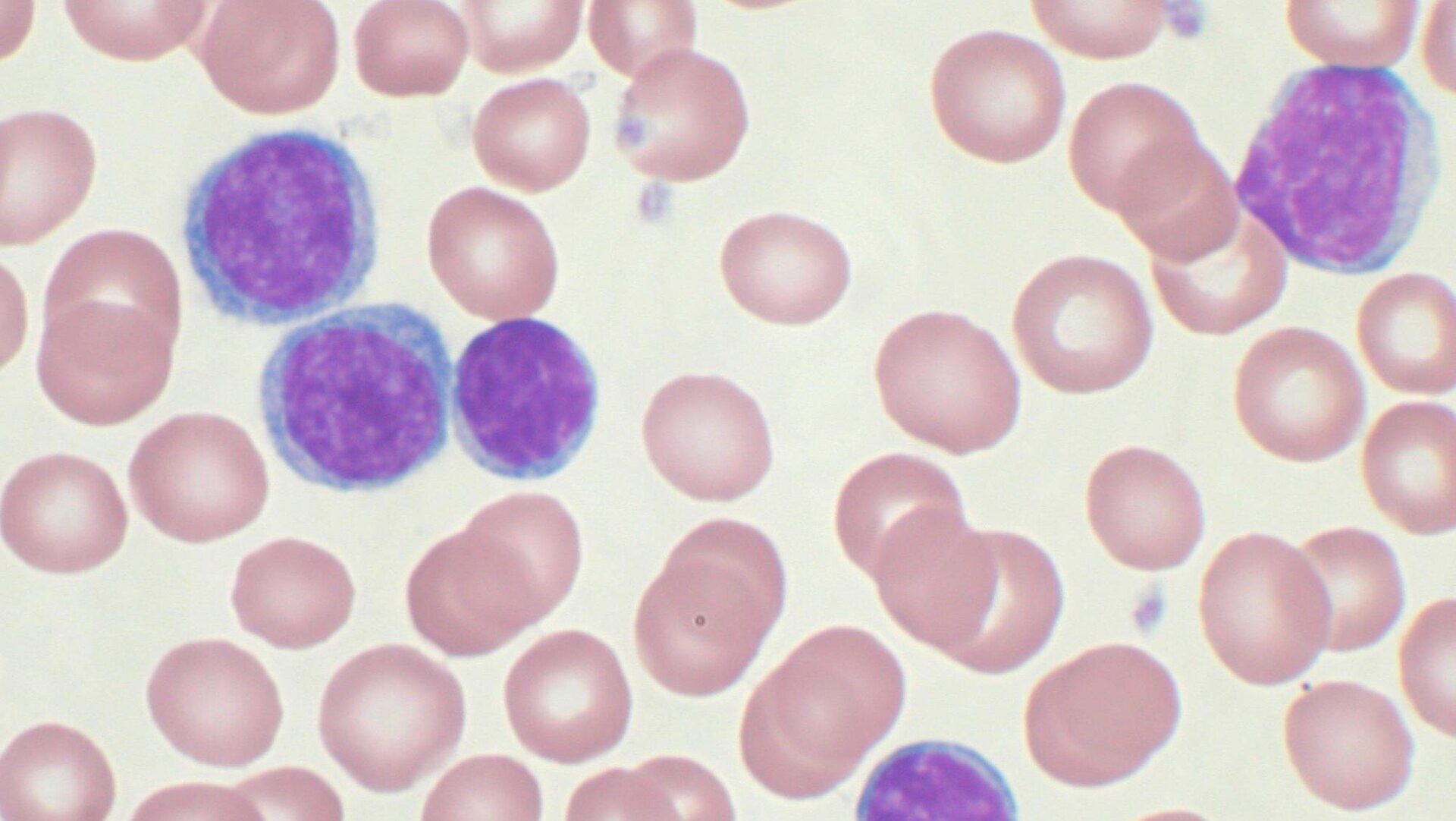
The Oxford-Harrington Rare Disease Centre has received a share of a £9.24 million investment for their research into chronic lymphocytic leukaemia (CLL). The donation, split with the University of Ohio’s Seidman Cancer Centre, was given by philanthropists Susan ‘Dee’ Haslam, who was diagnosed with CLL in 2021, and her husband, Jimmy Haslam.
The Oxford-Harrington Rare Disease Centre functions as a transatlantic collaboration between the University of Oxford and the Harrington Disease Institute, one of the University of Ohio’s teaching and research hospitals. The centre focuses on formulating treatments and cures for rare diseases, and has devised 214 medicines since 2012.
In a statement, Ms Haslam said, “We hope to increase knowledge of CLL, generate new treatments and give others the confidence and information they need to navigate the disease”.
David Cameron, former British Prime Minister and Chair of the Oxford-Harrington Rare Disease Centre Advisory Council, said in a statement: “I am delighted to see this generous support, which can help unlock meaningful advances in areas long overlooked and urgently in need of attention. This investment highlights the importance of international collaboration in accelerating progress for people affected by rare conditions.”
A rare type of blood cancer, CLL is a slow-moving disease that typically impacts blood and bone marrow. Abnormal white blood cells develop within the marrow, impacting its ability to make healthy blood cells. Often these abnormal cells move into the blood stream, and build up in the lymph nodes and spleen.
There are around 10 cases of CLL diagnosed in the UK every day, and around 60 a day in the US.
Scientists are uncertain as to the cause of the cancer, but many have theorised that there is some hereditary element. Whilst there is currently no cure, symptoms can be managed through treatments such as chemotherapy, targeted medicines, radiotherapy, and sometimes surgery. The donation will provide the funding to push new therapeutics into clinical trials.


.)