

Shoreditch and the Reinvention of the Restaurant Scene in London
Shoreditch once drew people mainly for its grit, galleries, and after dark energy. Now it also draws diners who expect bold cooking and a room with a clear point of view. That shift says as much about London as it does about one district.
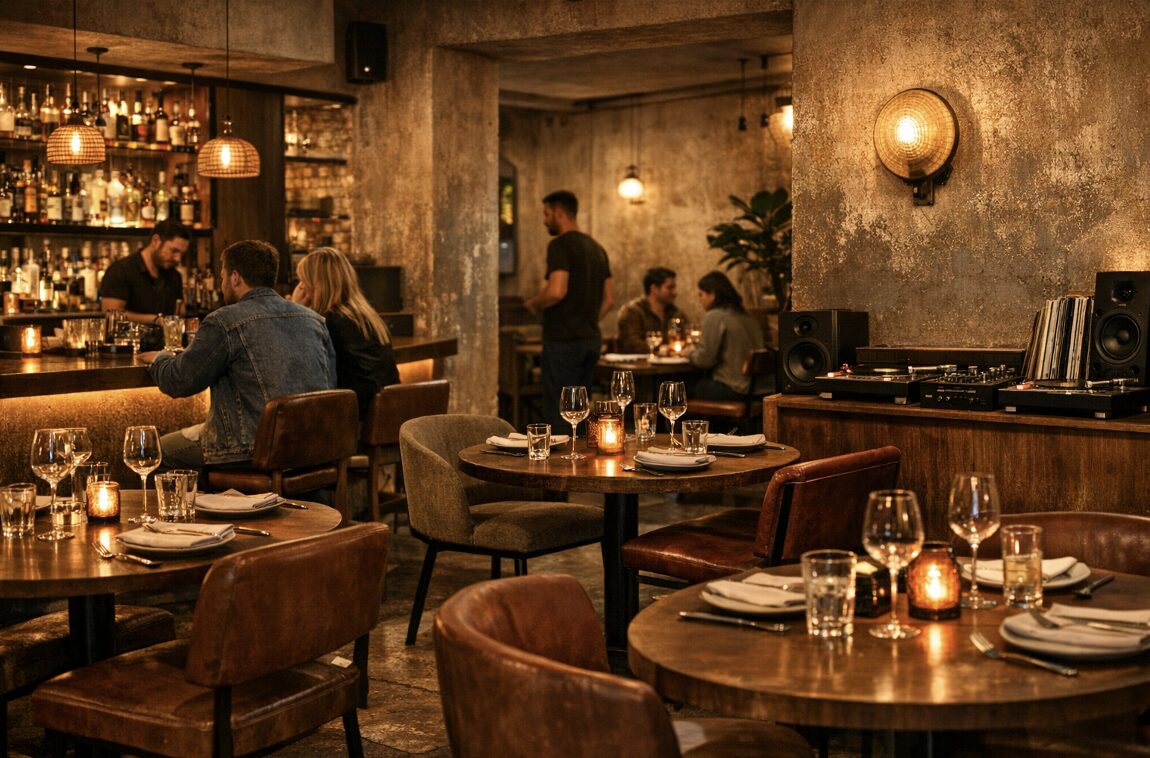
Restaurants in the area do more than serve food. They shape mood through sound, lighting, layout, and the steady movement between dinner and drinks. In Shoreditch, atmosphere stopped being a backdrop and became part of the reason people book a table.
That mix matters because the audience is wide. On a single evening, a room may hold office workers, artists, visitors, and local regulars. Restaurants that thrive there usually understand both style and substance.
Why Shoreditch Keeps Setting the Pace
That change did not happen by accident. As new crowds arrived, restaurants learned to stand out in a place that rewards novelty and confidence. The result is a dining scene that keeps testing what eating out can feel like.
From Fringe Streets to Food Magnet:
Shoreditch built its early reputation on independence. Small operators could take risks there because the area welcomed ideas that felt rougher, louder, and less formal than central London. That spirit helped food follow the same path.
Visitors still come for that sense of discovery, even when the streets feel more polished than before. For anyone focused on finding the best restaurants in Shoreditch, the district works best as a living dining scene. Menus change fast, rooms get refreshed, and a favourite spot can reinvent itself within months.
That pace matters. It keeps diners curious and pushes restaurants to show personality from the first glance. In Shoreditch, standing still rarely feels like an option.
The area also rewards places that feel distinct rather than polished in a generic way. Diners want a sense that a restaurant belongs to its street, even when prices and crowds have changed. That local texture keeps Shoreditch different from a standard dining strip.
When Atmosphere Became Part of Dinner:As competition grew, food alone stopped carrying the whole experience. A meal now had to look and sound right, and the room had to signal what kind of night lay ahead. This importance of setting is documented in studies of dining atmosphere. Design became a way to tell that story quickly.
The most memorable places often build atmosphere with simple choices rather than expensive tricks. A few details can change how long guests stay, what they order, and how they talk about the meal later. Open kitchens create movement and make cooking feel part of the room, not hidden work behind a wall. Lighting and flexible seating shape mood, helping a restaurant serve quick lunches, slower evenings, solo diners, and groups without losing character.
These choices also suit a district that changes by the hour. A space may need to handle coffee in the afternoon, dinner at seven, and a busy drinks crowd later on. Shoreditch helped normalise that kind of flexibility.
This focus on mood also changed how chefs and owners present ambition. Formal signs matter less than fit. When food, service, and setting match, the restaurant feels sharper and more memorable.
How Dinner Borrowed Nightlife Energy:
Music plays a similar role. In many parts of London, restaurants once kept sound low and the energy controlled. Shoreditch embraced a louder, more social model where dinner could feel like the start of a night out.
That approach changed expectations far beyond one postcode. Diners grew used to restaurants that offered more than a plate and a bill. People came to expect a stronger sense of place through playlists, lighting, or visible kitchen action. Menus often shared attention with mood, because guests remembered how a room felt as much as what they ate. The line between restaurant and nightlife venue felt softer, especially on busy weekends.
Not every London neighbourhood copies Shoreditch in the same way. However, many borrow its confidence, its casual polish, and its comfort with experimentation. The district showed that a restaurant can chase quality and personality at the same time.
That influence reaches beyond design. It also encourages diners to expect freshness, flexibility, and a stronger identity from ordinary neighbourhood restaurants. London feels more adventurous when its dining rooms act with that confidence.
The District That Keeps Moving
Shoreditch still changes quickly, which is part of its appeal. Some places disappear, others return in new forms, and fresh ideas keep arriving. That constant motion helps the area stay relevant even as trends shift.
Its biggest legacy may be the way it widened the meaning of eating out in London. Food remains central, yet mood, design, music, and timing now matter more than before. Shoreditch turned the restaurant into a fuller cultural experience, and the rest of the city noticed.