

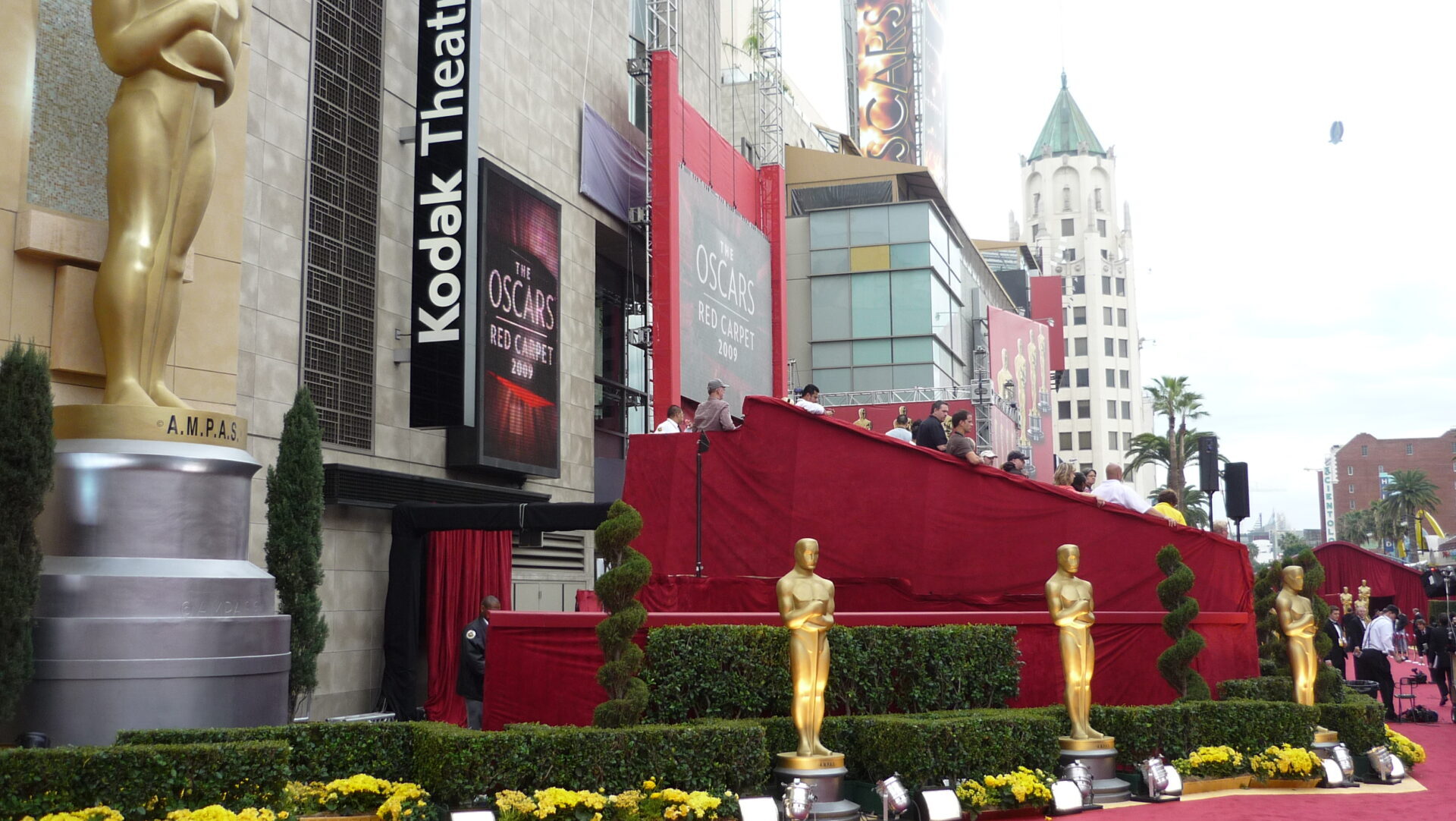
The recent Oscar nominations for Best Original Score and Best Original Song in films of 2025 have sparked much debate and some controversy, particularly from those who believed Wicked: For Good was snubbed a nomination. Beyond that, the nominations have allowed us to reflect on how fundamental musical scores are to film, and the highlights of last year’s film soundtracks.
The nominees for best original score include One Battle After Another, Sinners, Hamnet, Frankenstein, and Bugonia, transcending a variety of genres and invoking various emotions within the listeners. Paul Thomas Anderson’s One Battle After Another is perfectly encapsulated by the tense and foreboding score from Johnny Greenwood, which takes the stage at certain points of the film, leaving the viewer on the edge of their seat. In contrast, Max Richter’s score for Hamnet sits quietly in the background, breaking through at the most emotional scenes to tug at the viewer’s heartstrings.
Alexandre Desplat’s Frankenstein and Jerskin Fendrix’s Bugonia share similarities in their grand orchestral scope, yet they diverge in purpose. Desplat’s score leans heavily into the gothic tradition, with grandiose baroque elements echoing the tragic romanticism at the heart of Mary Shelley’s original novel, while Fendrix’s work for Bugonia feels more playful and unpredictable, mirroring the film’s surreal and satirical tone. Together, the nominees demonstrate the remarkable versatility of film music in shaping atmosphere, emotion, and narrative across wildly different cinematic worlds.
Beyond original score, the category of best original song has continued to highlight how music can transcend a film’s runtime and embed itself within popular culture. The original song category includes: ‘Dear Me’ from Diane Warren: Relentless, ‘Golden’ from KPop Demon Hunters, ‘I Lied to You’ from Sinners, ‘Sweet Dreams of Joy’ from Viva Verdi! and ‘Train Dreams’ from the eponymous film. This category is much broader than that of original score, including a variety of genres from K-pop to Mississippi Delta blues. This is where much of the controversy surrounding Wicked: For Good has emerged. For many viewers, its musical impact felt inseparable from the film’s success, reigniting debates over how originality is defined in an era of adaptations and reimaginings. The backlash arguably reflects a broader tension within contemporary cinema: audiences are increasingly drawn to musical familiarity, while awards bodies remain hesitant to recognise it.
What is perhaps most striking about the soundtracks of 2025 is how deliberately they are deployed. Gone are the days where scores simply fill silence; instead, composers now carefully choose when to recede and when to overwhelm. Silence itself has become a musical tool, making the moments when sound does break through feel all the more powerful. This restraint is especially evident in films like Hamnet, where the absence of music can be just as emotionally resonant as its presence.
This careful approach to scoring also reflects a broader shift in how audiences engage with film music. In an age of streaming and fragmented attention due to viewers often being stuck between two screens, soundtracks increasingly serve a dual purpose: enhancing narrative immersion while also existing independently beyond the cinema. Scores like Greenwood’s or Richter’s are not only experienced in the dark of a screening room, but through headphones, playlists, and concert stages, allowing films’ impacts to linger long after the credits roll. The Oscar nominations are not merely about recognising technical achievement, but acknowledging how deeply music now shapes the afterlife of cinema.
Having watched all nominees for the best score category, I have to say that for me personally, Johnny Greenwood’s score for One Battle After Another is the standout soundtrack in its category. The sheer tension created by the staccato of piano notes and piercing string orchestra of its title track reflect the unpredictable nature of the film, drawing the viewer in on screen and allowing the retrospective listener to relive the emotion of the film at home. The rest of the soundtrack, too, has similar elements of tension with nervous piano notes and dramatic synth surges making the 162 minute epic fly by.
Ultimately, the soundtracks of 2025 demonstrate that music acts as one of cinema’s most powerful storytelling tools. Whether swelling grandly or whispering in the background, film scores help to shape our emotional responses often without us even realising. The Oscar nominations may spark controversy each year, but they also offer a valuable opportunity to reflect on how music continues to define the films we remember, not just through spectacle, but through silence, subtlety, and emotional precision.